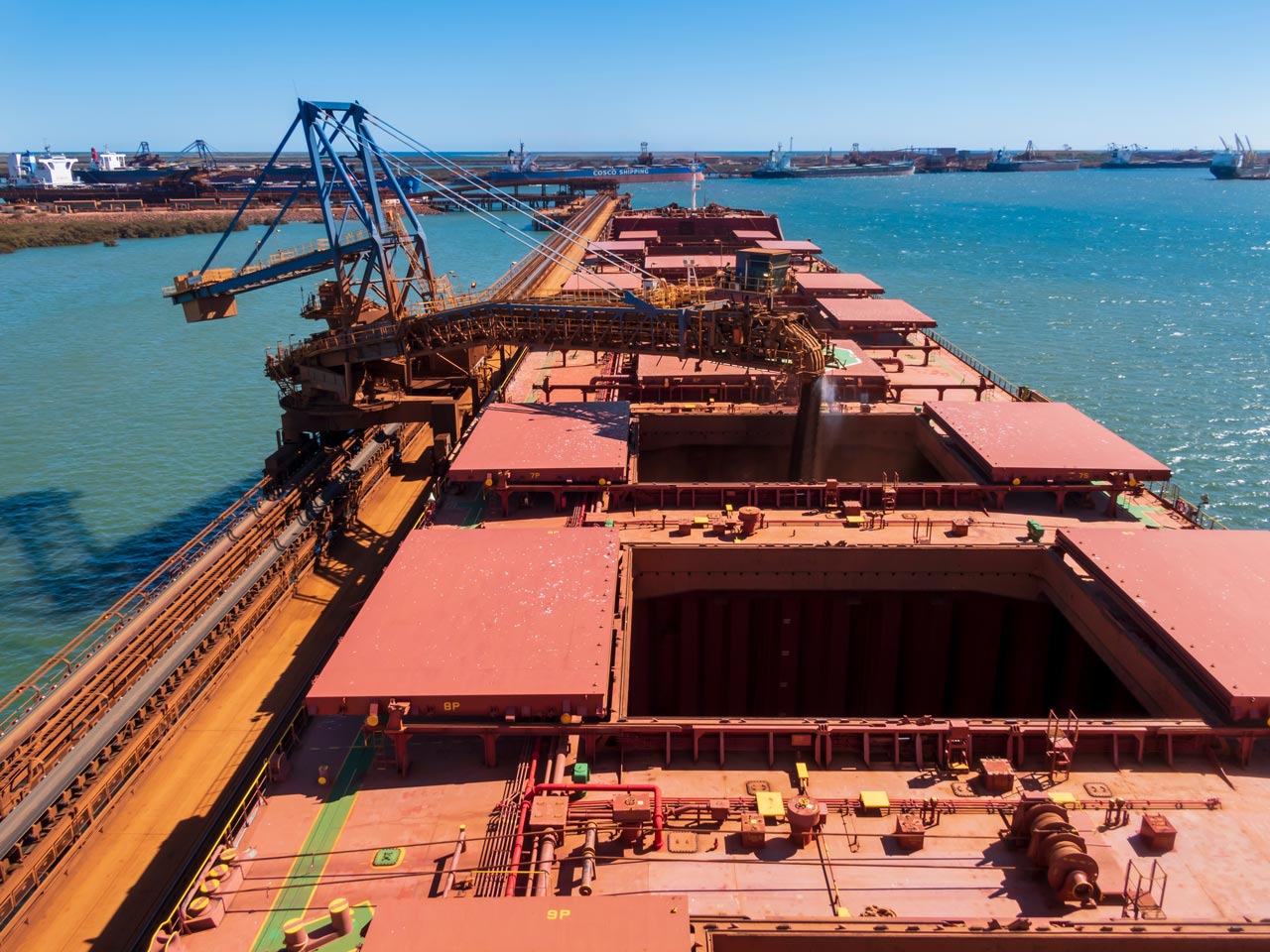
Break Bulk Shipments involve transporting cargo items individually, rather than loading them into standard shipping containers. This method is used for heavy, oversized, long-length, or irregularly shaped goods that cannot fit into a container due to size, weight, or handling limitations.
These shipments are typically handled piece by piece using cranes, forklifts, or specialized lifting equipment. Break Bulk is widely used in industries such as construction, power generation, engineering, oil & gas, mining, and large-scale manufacturing—where equipment often exceeds standard shipping dimensions.
Break Bulk logistics requires careful planning, precise handling, strong coordination with ports, and strict safety procedures to ensure every individual cargo piece is loaded.
Importance of Break Bulk Shipments
1. Suitable for Oversized Cargo
Cargo that cannot fit in standard 20ft/40ft containers can be shipped safely through Break Bulk handling.
2. Flexible Handling & Loading
Each piece is managed separately—making it ideal for machinery, steel structures, or long-length materials.
3. Essential for Industrial Projects
Industries such as power plants, infrastructure development, and engineering projects rely heavily on Break Bulk transportation.
4. Reduced Time Spent on Cargo Disassembly
Large equipment can be shipped as whole units without dismantling, reducing labor and re-assembly time.
5. Access to Non-Container Ports
Some ports support Break Bulk operations even if they do not handle containerized cargo.
6. Ideal for Heavy-Lift Operations
Perfect for cargo requiring cranes, special handling teams, and complex port operations.